Dry Pasta vs. Fresh Pasta
Dry pasta vs. fresh pasta: what’s the difference between these two types of pasta? And when should you use each one?
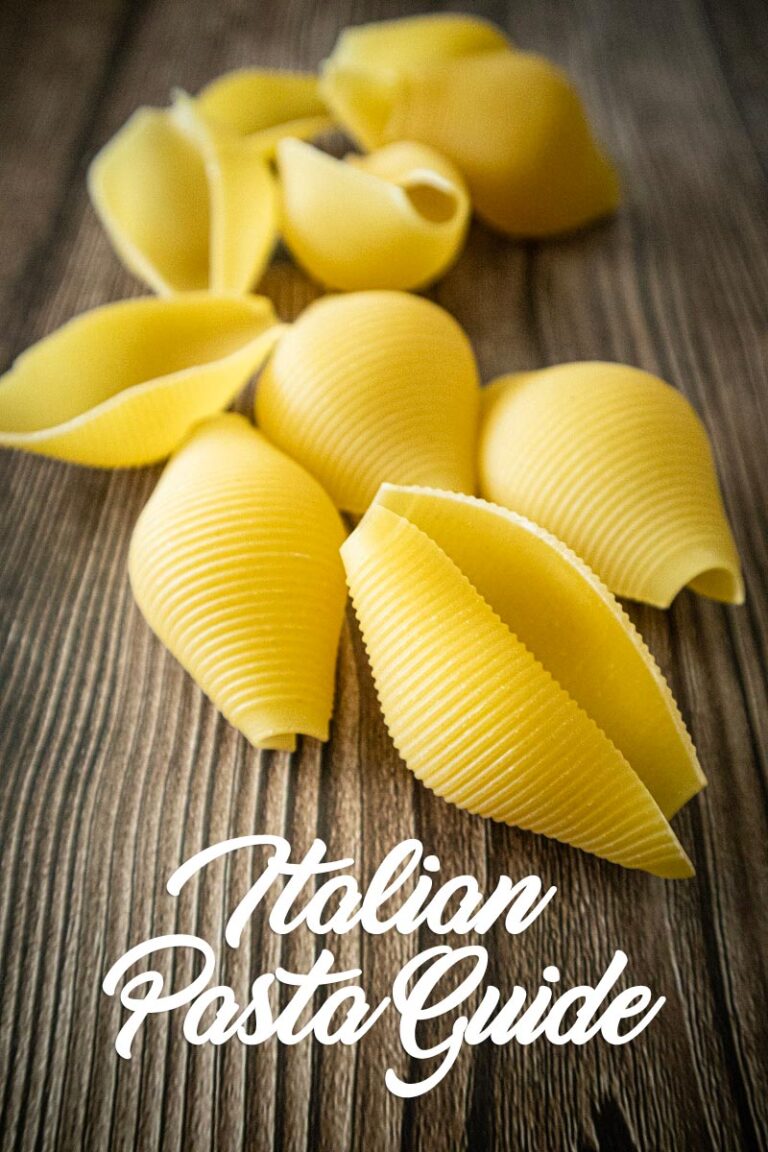
In Italian cooking, pasta is never just pasta, as I explain in my Italian Pasta Guide. It’s not just about the shapes, but also the ingredients used, the way the dough is made, the moisture content, cooking time, and nutritional value. All these factors influence the final dish and how the sauce interacts with the pasta.
Fresh and dried pasta have different textures, storage requirements, and characteristics that make them better suited to certain recipes.
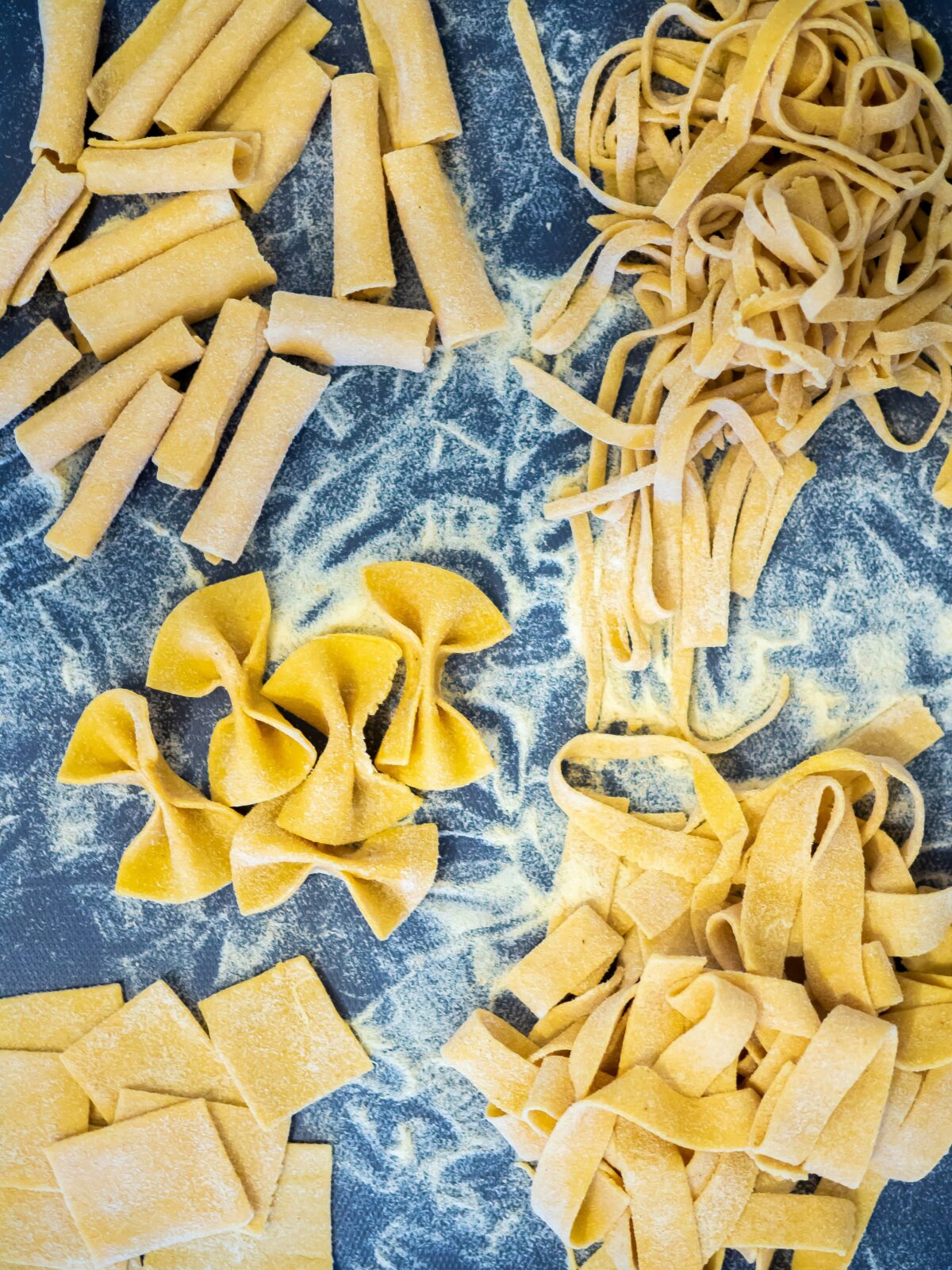
What Is Fresh Pasta?
Fresh pasta, or pasta fresca in Italian, is pasta that has not undergone the drying process used to produce shelf-stable dried pasta.
Traditional fresh pasta can be made with all-purpose flour, Italian soft wheat flour, semolina, or a combination of flours. Eggs are common in many traditional recipes, especially in northern Italy, but not all fresh pasta contains eggs.
Many southern Italian specialties are made with just durum wheat semolina and water.
The ingredients depend on the region, the pasta shape, and the recipe.
Fresh pasta contains considerably more moisture than dried pasta (more than 25% compared with less than 12% in dried pasta). This gives it a different texture and means it generally needs to be refrigerated unless it is prepared and sold under conditions that allow for different storage requirements.
Fresh pasta is also more at risk of bacterial growth if not properly stored and consumed within days.
How to Store Fresh Pasta
Homemade fresh pasta should be refrigerated if you aren’t cooking it immediately. Its safe storage time depends on the ingredients, preparation, packaging, and refrigerator temperature, so follow a reliable recipe’s instructions or the product label.
Fresh pasta can also be frozen. Freeze it promptly in suitable portions and use it within the recommended storage period for the recipe or product. Freezing is particularly convenient when you make a large batch of homemade pasta.
Because fresh pasta contains more moisture, it is more perishable than properly dried pasta. Don’t leave it at room temperature for extended periods.
When Should You Use Fresh Pasta?
Fresh pasta is especially well suited to many traditional dishes, including:
- Long pasta: tagliatelle, fettuccine, pappardelle, and tagliolini.
- Hand-shaped pasta: trofie, cavatelli, orecchiette, and strozzapreti.
- Stuffed pasta: ravioli, tortellini, cappelletti, and culurgiones.
- Layered pasta: fresh pasta sheets used for lasagna.
These are examples rather than strict rules. Some of these shapes are also commercially available in dried form, and regional traditions vary.
Fresh egg pasta is particularly good with many meat ragùs, butter and sage, mushroom sauces, and other rich preparations. Its texture and relatively quick cooking time make it a natural choice for dishes where the pasta itself is an important part of the experience.
Fresh pasta isn’t automatically the best choice for every creamy sauce, however. The ideal pairing depends on the shape, the dough, and the sauce.
What Is Dried Pasta?
Dried pasta, or pasta secca, is made by combining flour, usually durum wheat semolina, with water. The dough is shaped and then dried until it reaches a low moisture content suitable for long-term storage.
Unlike fresh pasta, dried pasta is generally shelf-stable when kept in a cool, dry place and stored according to the package instructions. It doesn’t need refrigeration before, or after, opening unless the product label says otherwise.
Dried pasta is a staple of everyday Italian cooking. It is convenient, widely available, and comes in an enormous variety of shapes.
How Is Dried Pasta Made?
Commercial dried pasta is generally not rolled out; it is commonly produced through a process called extrusion (estrusione). The dough is pushed through a die that gives the pasta its shape.
The die may be made from bronze or other materials, including Teflon-coated materials. This distinction is particularly important in the world of traditional Italian pasta.
In recent years, this distinction has received much more public attention. The traditional process of extruding pasta through bronze dies (trafile di bronzo) has once again become highly sought after and widely promoted by pasta brands, not just for marketing purposes. Bronze-die pasta has recognizable characteristics, including its cooking texture and cooking time. In my experience dried pasta made this way has a much longer shelf life and can be stored for months without the need to add preservatives or additives.
Why is Bronze-die pasta different?
Bronze-die pasta typically has a rougher, more porous surface than pasta produced using smoother dies. That texture can help sauce cling to the pasta.
The shape of the die, the dough formulation, and the production conditions all contribute to the finished product.
Once shaped, the pasta is dried. The drying process removes moisture and makes the pasta suitable for storage at room temperature. The moisture content of dried pasta is below 12%, making it almost impervious to mold and bacteria.
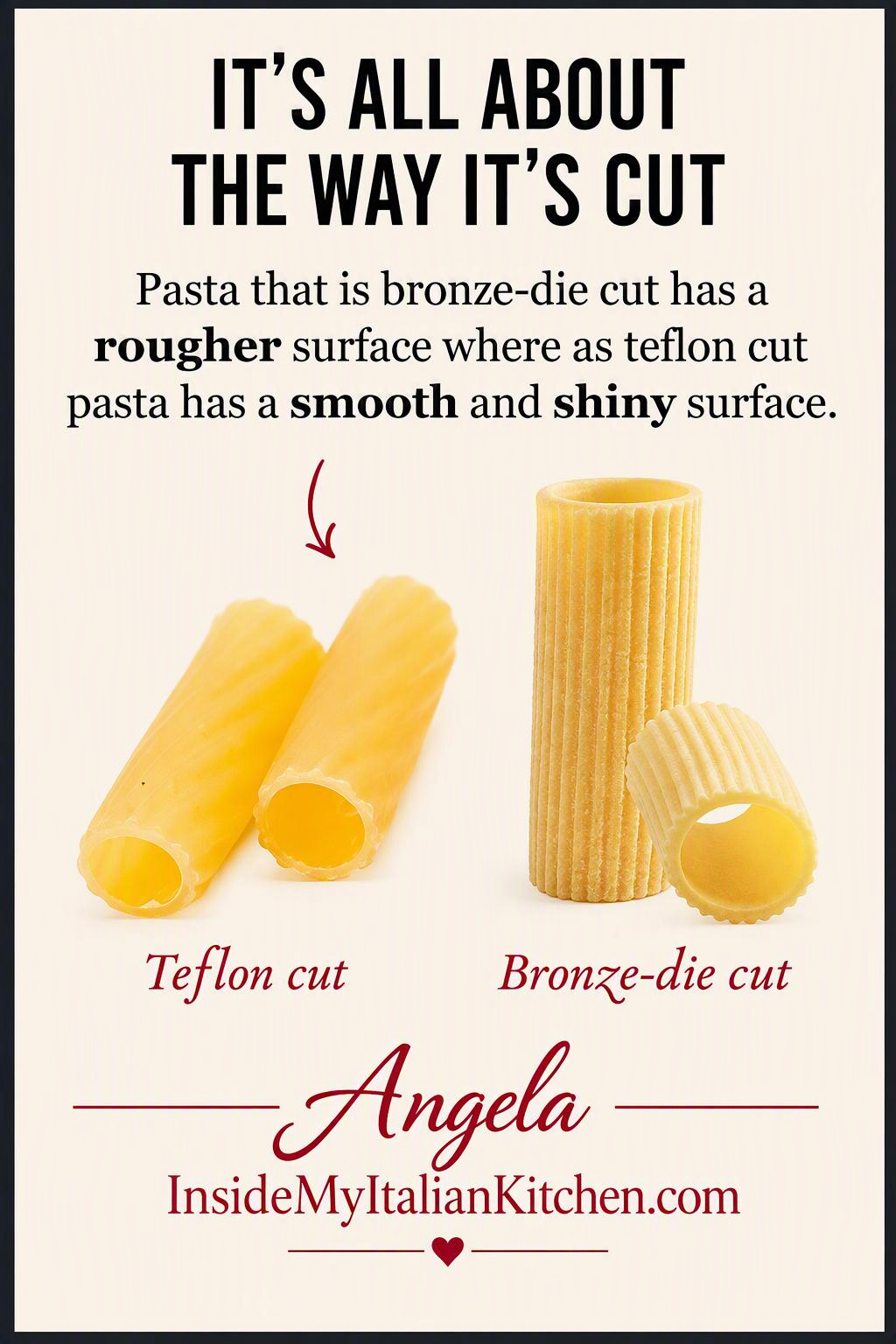
One of the reasons I particularly like bronze-die pasta is the way it holds its texture during cooking. In my experience, it rarely becomes gummy, even when I accidentally cook it a few minutes longer than recommended. It maintains its texture, which is one of the reasons it is among my favorite types of pasta.
I have often noticed a different result with dried pasta produced in the United States using American semolina. If you go even slightly beyond the recommended cooking time, the pasta can swell considerably in the pot and develop a gummy texture. This is one of the differences I have learned to recognize, and it is why I often find authentic Italian dried pasta noticeably different in the way it holds its shape and texture during cooking.
Slow Drying vs. High-Temperature Drying
Not all dried pasta is produced in the same way.
Some pasta makers use relatively high-temperature drying cycles, while others use slower, lower-temperature processes. The exact temperatures and duration vary among producers.
Slow drying is often associated with traditional and artisan pasta production. It is intended to control how moisture leaves the pasta and can influence the structure, texture, and cooking behavior of the finished product.
However, slow drying alone doesn’t guarantee superior pasta. Wheat quality, milling, dough preparation, extrusion, and the complete drying cycle all matter.
If you want to understand this process in greater detail, read my guide to slow-dried pasta.
How Long Does Dried Pasta Last?
One of the main advantages of dried pasta is its long shelf life.
When properly dried and stored in a cool, dry place, commercial dried pasta can generally be kept for months or longer, depending on the product’s best-by date and storage instructions. It doesn’t require preservatives simply to remain shelf-stable.
Keep dried pasta away from moisture and excessive heat, and check the package for specific storage recommendations.
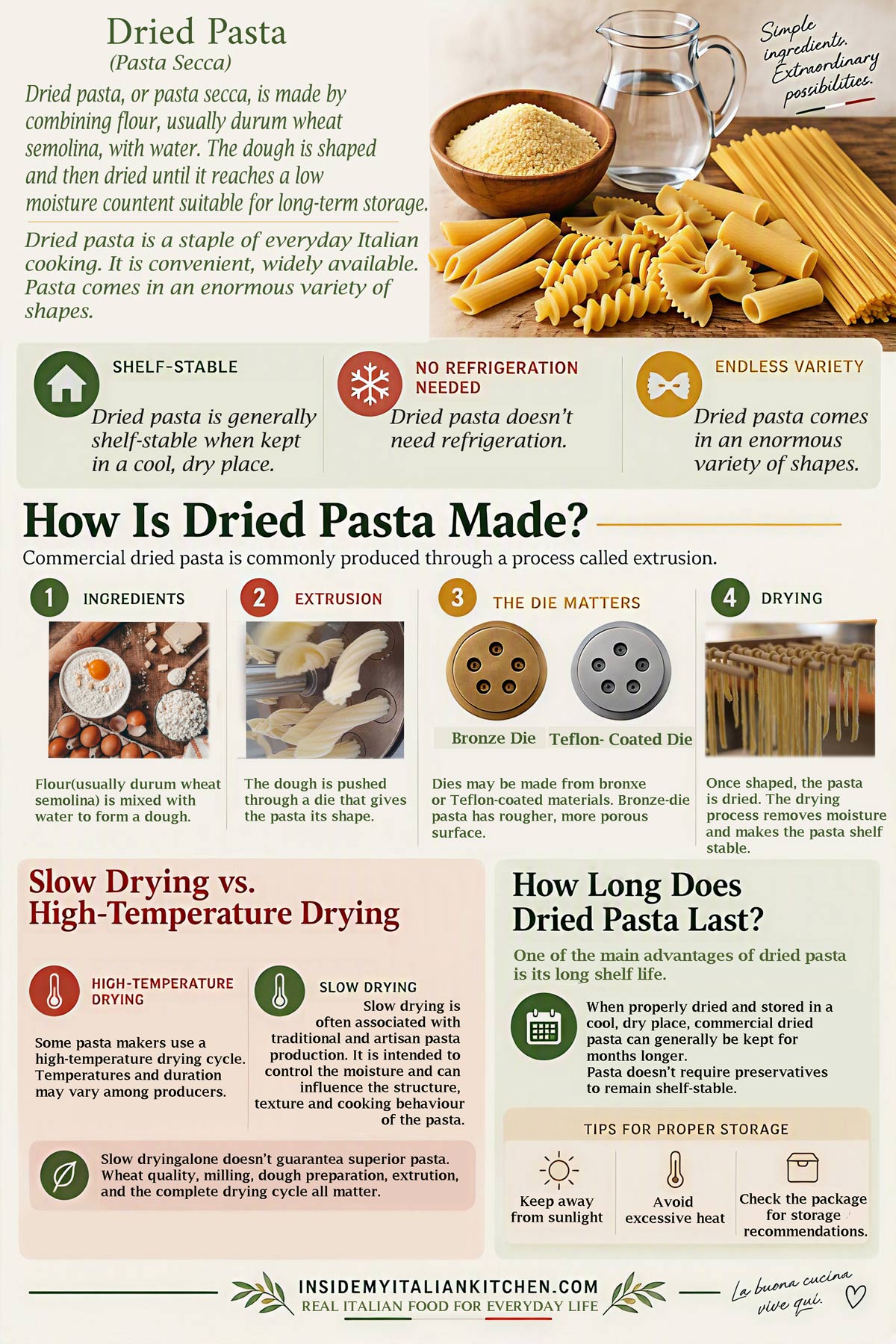
Dry Pasta vs. Fresh Pasta: How Dried Pasta Is Made
This infographic explains how dried pasta is produced commercially, from mixing durum wheat semolina and water to extrusion and drying. It compares bronze and Teflon-coated dies, discusses slow drying versus high-temperature drying, and outlines the shelf life and proper storage of dried pasta. Learn about the characteristics of pasta secca and how the production process influences its texture and cooking behavior.
Which Pasta Is More Caloric: Fresh or Dried?
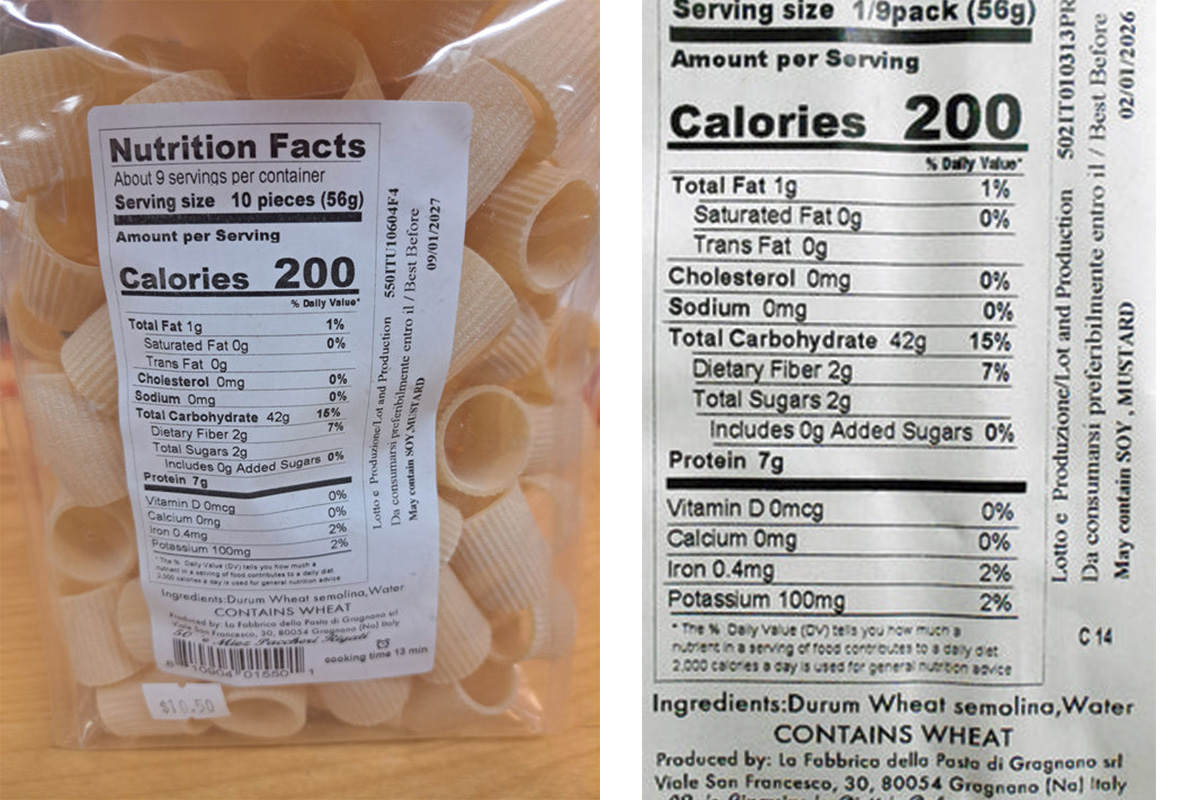
This is a common question, but the answer depends on how you compare the two. Dried pasta contains less water, so its calories and nutrients are more concentrated by weight before cooking. Fresh pasta contains more moisture, meaning that 100 grams of fresh pasta and 100 grams of dried pasta do not represent equivalent amounts of dry matter. Dried pasta provides approximately 350 kcal per 100 grams uncooked, and its weight and volume increase considerably during cooking. For example, 100 grams of dried pasta may weigh around 215 grams after cooking. Fresh and dried pasta both absorb water during cooking, but the final cooked weight depends on the pasta shape, cooking time, and amount of water absorbed. Therefore, the difference in calories per 100 grams is largely influenced by moisture content, and you cannot conclude that one type is inherently healthier simply by comparing equal weights of uncooked pasta.
How Do Cooking Times Differ?
Fresh pasta generally cooks more quickly than dried pasta, although the exact time depends on the shape, thickness, ingredients, and whether the pasta is homemade or commercially produced.
Thin fresh tagliolini may cook in just a couple of minutes, while thicker or stuffed shapes need longer. Dried spaghetti, penne, and rigatoni generally take longer, and package instructions are the best starting point.
For both types, the goal is to cook the pasta to the texture required by the recipe.
Dried pasta is particularly well suited to cooking al dente, the Italian expression for pasta that is tender but still offers a slight resistance when bitten. Fresh pasta can also be cooked to the appropriate texture, but its tenderness and structure are different.
Always taste the pasta as it cooks rather than relying exclusively on the timer.
Which Pasta Is Better for Different Sauces?
In Italian cooking, the choice of pasta is closely connected to the dish. Shape, surface texture, thickness, and the character of the sauce all play a role.
When to Use Fresh Pasta
Fresh pasta is an excellent choice for:
- Meat ragù and other rich, traditional sauces.
- Butter and sage, particularly with certain egg pasta shapes and stuffed pasta.
- Mushroom sauces and seasonal ingredients.
- Stuffed pasta served with simple sauces that let the filling shine.
- Lasagna made with fresh pasta sheets.
Egg pasta often has a tender texture that works beautifully with many rich sauces. Hand-shaped fresh pasta made with semolina and water has its own characteristics and can be paired with very different sauces.
When to Use Dried Pasta
Dried pasta is ideal for a wide range of everyday Italian dishes, including:
- Spaghetti with tomato sauce.
- Penne or rigatoni with vegetable sauces.
- Pasta with garlic, olive oil, and chili pepper.
- Fusilli with pesto.
- Orecchiette with broccoli rabe.
- Pasta dishes featuring seafood.
The shape matters just as much as whether the pasta is fresh or dried. Tubular shapes such as rigatoni hold thicker sauces and small pieces of ingredients, while long pasta works well with many smooth or oil-based sauces.
Rough-surfaced pasta can also help sauces cling to the noodles.
There are no absolute rules that dictate which type of pasta must be used with a particular sauce. Regional traditions offer a useful starting point, but the recipe and the characteristics of the pasta should guide your choice.
Italian Pasta Shapes: Why They Matter
Italy has an extraordinary variety of pasta shapes, many of which are closely connected to regional traditions. Italy has 20 regions, each with its own culinary traditions and pasta specialties.
Some shapes are long, such as spaghetti, linguine, and tagliatelle. Others are short, such as penne, rigatoni, and fusilli. There are also tiny pasta shapes used in soups, stuffed pasta, and handmade specialties that are closely tied to particular regions.
Some shapes are traditionally made fresh, while others are most commonly sold dried. Others exist in both forms.
For example, trofie are traditionally associated with Liguria and are often served with pesto. Orecchiette are closely associated with Puglia, while pici are a Tuscan specialty.
Each shape has its own history and traditional uses. Understanding the differences between pasta shapes can help you choose the right pasta for your recipes and discover dishes beyond the most familiar Italian classics.
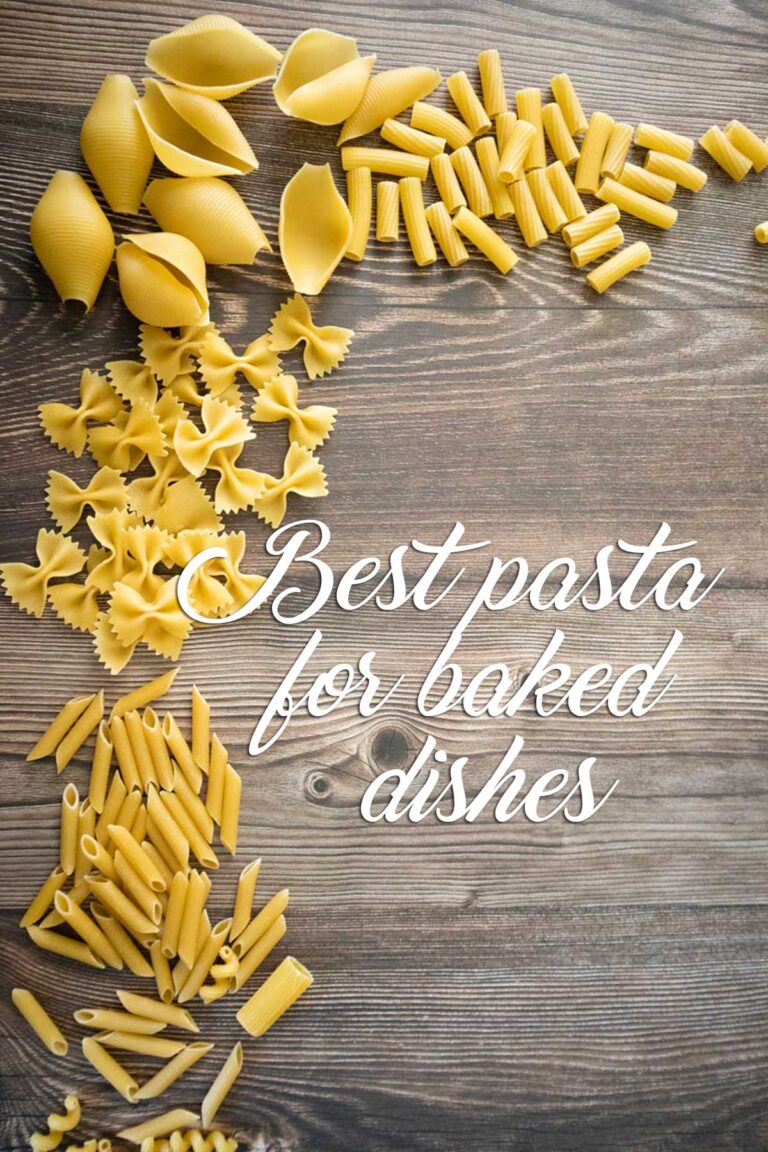
Some shapes are particularly well suited to baked pasta dishes, as you can read in my guide to the best pasta for baked dishes, while others are ideal for pasta salads or soups.
For more information, explore my guide to Italian pasta shapes, including long and short pasta, how to pair different shapes with sauces, and the regional specialties that make Italian pasta so distinctive.
What about colored pasta?
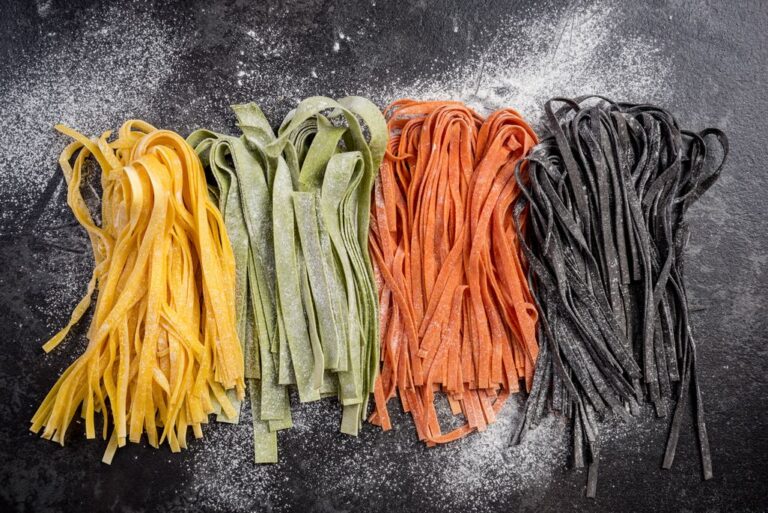
In Italy, pasta can also be colored using natural ingredients. Spinach is often used to make green pasta, tomatoes can give it a reddish color, and squid ink creates black pasta with a distinctive flavor. These ingredients add color and, depending on the ingredient and quantity used, can also affect the taste of the finished dish. Colored pasta can be fresh or dried, so its color does not necessarily tell you which type of pasta it is or how it should be cooked. If you want to try making your own at home, read my guide on how to color fresh pasta.
Why do ingredients matter?
Traditional Italian dried pasta is made with just two ingredients: durum wheat semolina and water. In the United States, many packaged flours are labeled enriched flour, meaning certain nutrients have been added back after processing. This is a different approach to flour production, and it is worth understanding when comparing ingredients and food traditions. If you want to learn more about the different types of pasta, how they are made, and how to choose the right pasta for your recipes, read my Italian Pasta Guide.
For me, the simplicity of traditional Italian pasta is an important part of its appeal. If you want to make fresh pasta at home, look for flour that is not enriched. You can often find Italian flour brands on American supermarket shelves. They may cost a little more, but you will notice the difference in the final product.
So, Is Fresh Pasta Better Than Dried Pasta?
Neither fresh nor dried pasta is universally better. They are different products, made using different processes, and each has a place in Italian cooking.
Fresh pasta is particularly suited to many egg pasta dishes, stuffed pasta, and handmade regional specialties. Dried pasta is a versatile pantry staple that works beautifully in countless traditional recipes, from simple tomato sauces to vegetable and seafood dishes.
The best choice depends on the recipe, the shape, the texture you want, and the tradition behind the dish.
Once you understand these differences, choosing pasta becomes much easier. And if you want to explore Italian cooking further, learning about the different pasta shapes is the perfect next step.
Trusted Italian pasta brands to look for
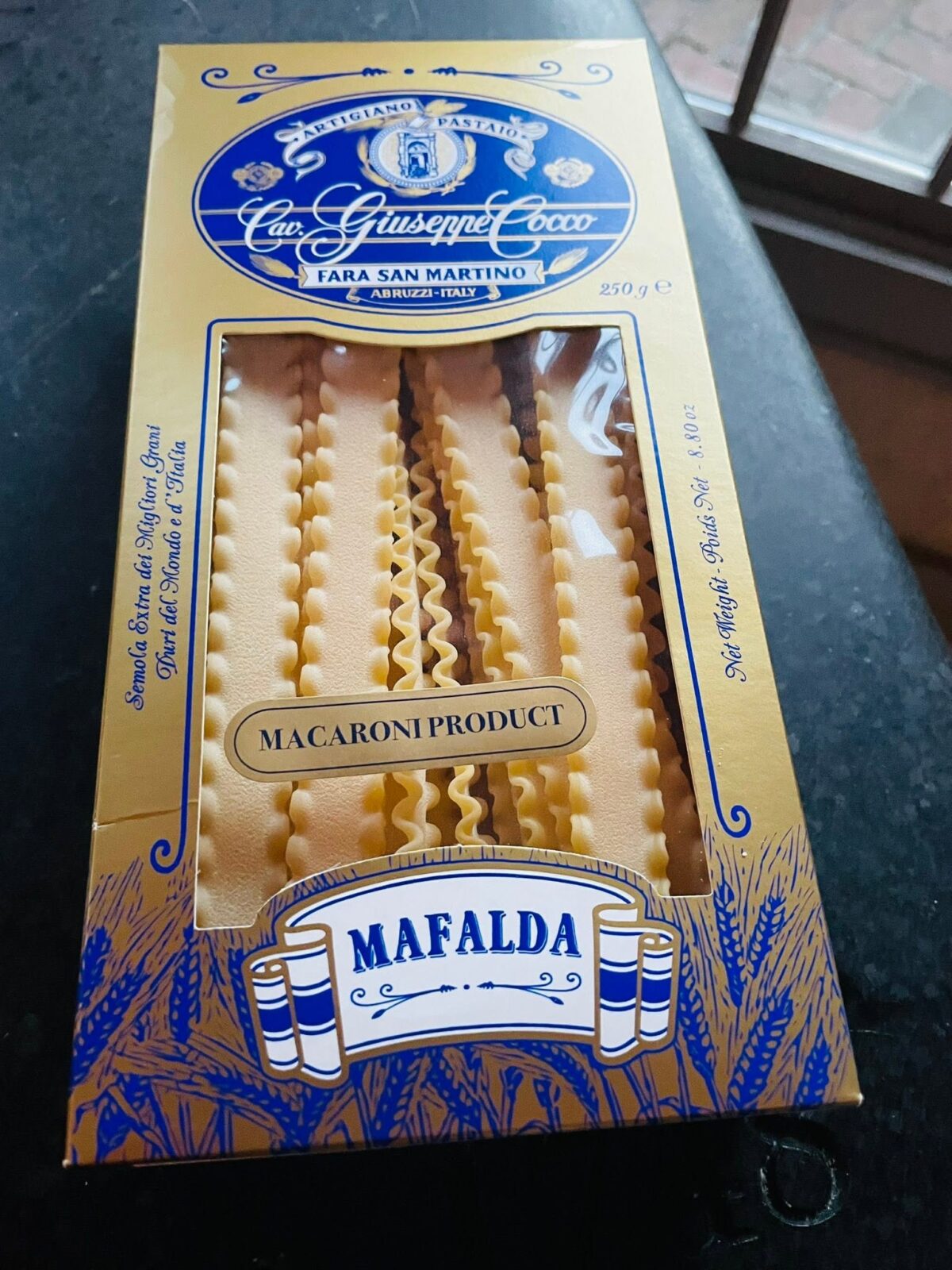
If you want to try good-quality Italian dried pasta, there are several brands worth looking for in American supermarkets and specialty grocery stores. Rummo, De Cecco, Garofalo, Cav. Giuseppe Cocco (the best pasta I have ever used!), and La Molisana are established Italian pasta makers, and they offer varieties made using bronze dies. This traditional production method gives the pasta a rougher, more porous surface that helps sauces cling to it. Look for the words trafilata al bronzo on the package. Availability varies by store, but you can often find these brands in the imported pasta aisle. For me, choosing good-quality pasta is one of the simplest ways to make a difference in the final dish.
See you in the next guide!